Women's Health
The menstrual cycle is a precise relay between several hormones. One link failing throws the whole sequence off.
This group covers cycle and ovulation treatments, and products affecting arousal. Without prescription, in a plain parcel.
How does the cycle work?
As a feedback loop, which explains where these treatments intervene.
The brain sends two signalling hormones to the ovaries. The first drives a follicle containing an egg to mature; the second triggers its release.
The maturing follicle produces oestrogen, which builds the lining of the womb. After release, the remaining structure produces progesterone, which prepares that lining.
If implantation does not occur, hormone levels fall and the lining is shed.
Because the whole thing runs as a loop, a disturbance at one point produces symptoms somewhere else entirely.
What if ovulation is not happening?
It is one of the most common reasons conception does not occur, and often not obvious.
Signs: irregular cycles, very long gaps, absent periods — or cycles that look regular but in which no egg is released.
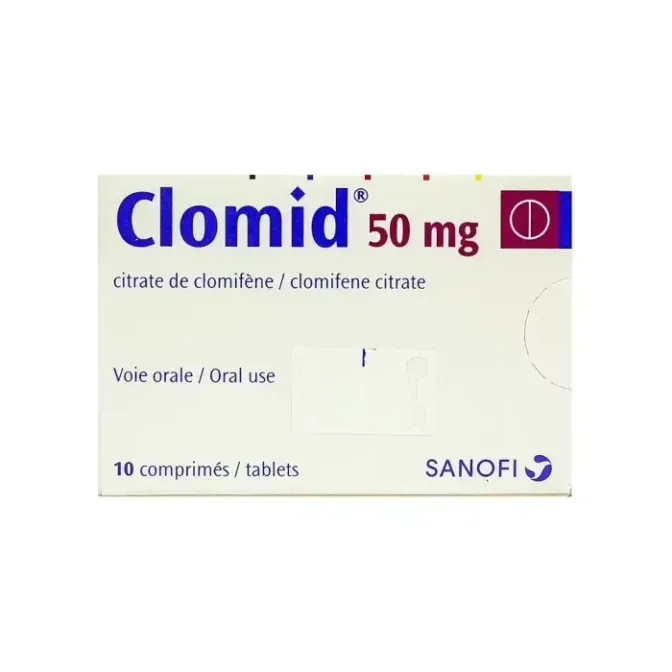
Some treatments act on the feedback loop. They block the return signal reaching the brain, so the brain concludes levels are low and increases the signalling hormones sent to the ovary. That prompts a follicle to mature.
So the principle is not supplying hormones from outside. It is pushing the body's own machinery harder.
Why is multiple pregnancy a real consideration?
Because stimulating ovulation can mature more than one follicle.
The chance of twins rises noticeably. Many couples find that acceptable, but it is better known in advance than discovered at a first scan.
Which is why such treatment is monitored: ultrasound shows how many follicles are developing and allows a response if too many are.
Overstimulation of the ovaries can also occur. Severe abdominal pain, rapidly increasing swelling, nausea and reduced urine output need urgent assessment.
What should be checked before treating?
Absent ovulation usually has a cause, and some can be addressed without hormonal treatment.
- Thyroid function — both directions disrupt the cycle
- Raised prolactin
- Polycystic ovary syndrome
- Very low body weight, or significant excess weight
- Intensive athletic training
- Chronic stress
- Recently stopping hormonal contraception
In polycystic ovary syndrome even modest weight loss can restore ovulation — one of the few situations where such a simple change has so clear an effect.
And the other half of the picture matters: in a substantial proportion of cases the factor lies with the male partner, or with both. A semen analysis is simple and worth doing early rather than after a year of trying.
How do you recognise ovulation?
- Cervical mucus becomes clear and stretchy
- Basal body temperature rises slighly afterwards
- Ovulation tests detect the hormone surge
- Some women feel a one-sided pulling sensation
Temperature only confirms ovulation after the fact. Mucus and tests give warning beforehand, which is what matters for timing.
What about arousal and desire?
Worth being straightfoward, because products in this area are frequently oversold.
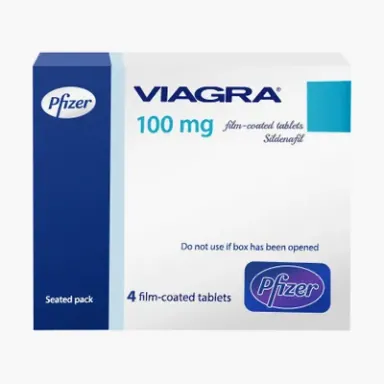
Treatments that improve genital blood flow address one component of a system where that component is usually not the limiting factor.
The common difficulties are low desire, trouble becoming aroused, trouble reaching orgasm, and pain. Only the second is substantially a blood flow question.
What is more often behind it: hormonal change, medication — antidepressants above all — pain, exhaustion, the relationship, depression or anxiety. Any of those will defeat a blood flow treatment entirely.
And the single most useful item is often the least medical: a good lubricant resolves more complaints than anything further up the list.
When should you seek assessment?
- No pregnancy after a year of trying, or six months over thirty-five
- Very irregular or absent periods
- Very heavy or very painful periods
- Bleeding between periods
- Recurrent miscarriage
- Severe pelvic pain
Hormonal treatments in this group are not for use during pregnancy or breastfeeding.
How to order without prescription
Treatment often runs in cycles, so having the next course ready avoids losing a month.
You choose the product, the strength and the pack size, type in a delivery address and confirm. No appointment, no questionnaire, no standing at a counter explaining yourself.
Everything arrives in a plain parcel. Nothing on the outside names a pharmacy and nothing indicates the contents. How quickly it gets there depends on the destination.
What you pay tracks the strength and how much you buy at once. Larger quantities bring the per-unit figure down.
Does anybody ask questions before it ships? No. There is no prescription step and no consultation for a UK order, which is the point. You choose the strength and the quantity yourself.