Skin Care
Skin is visible, which is why its problems weigh more than their medical seriousness would suggest. Acne and fungal infections are not just a clinical matter.
These are medicated treatments rather than cosmetics. Without prescription, in a plain parcel.
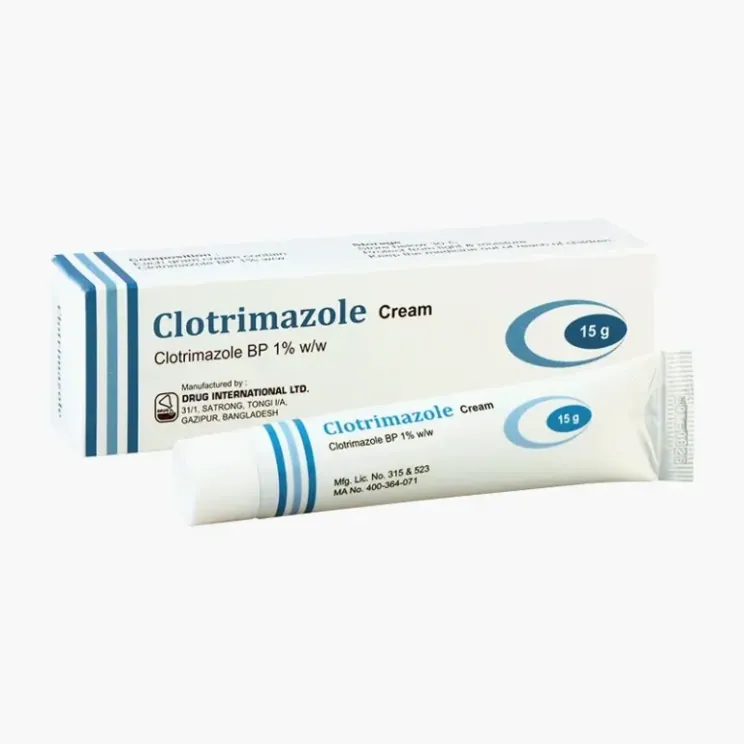
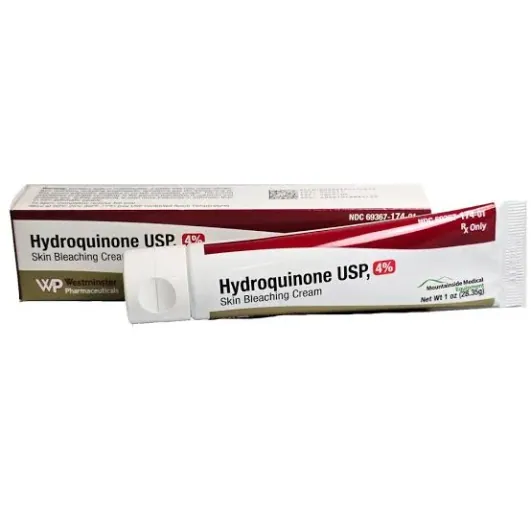
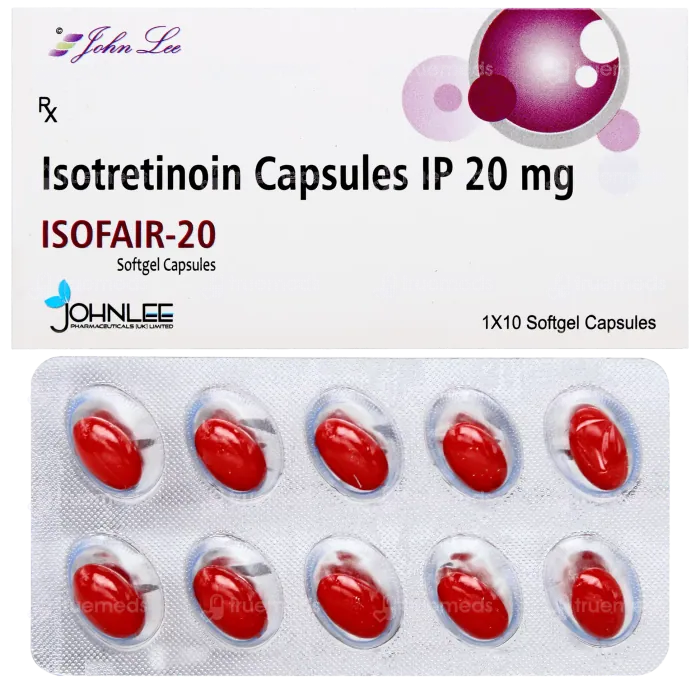
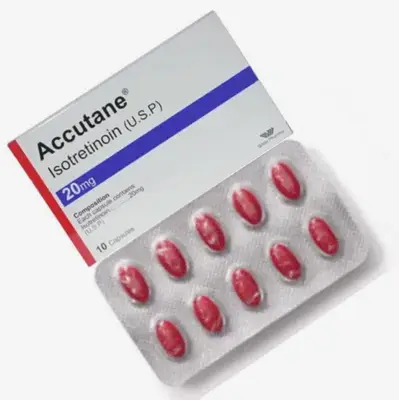
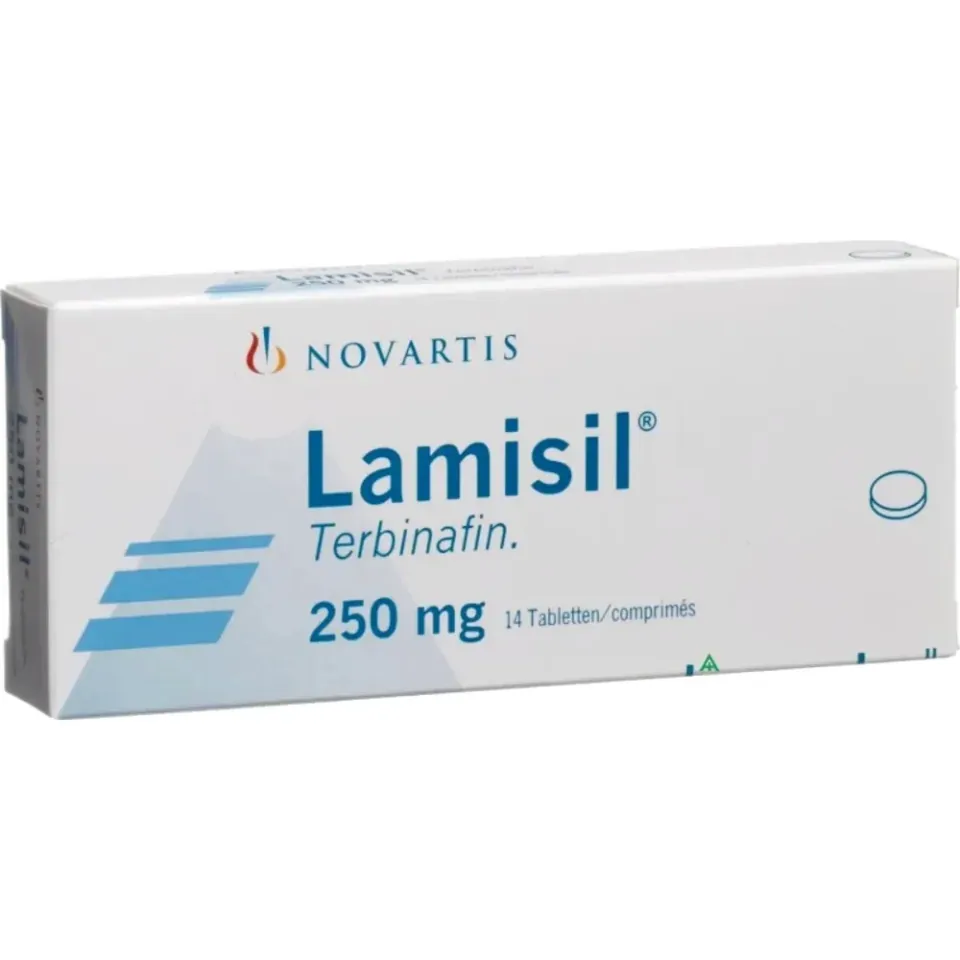
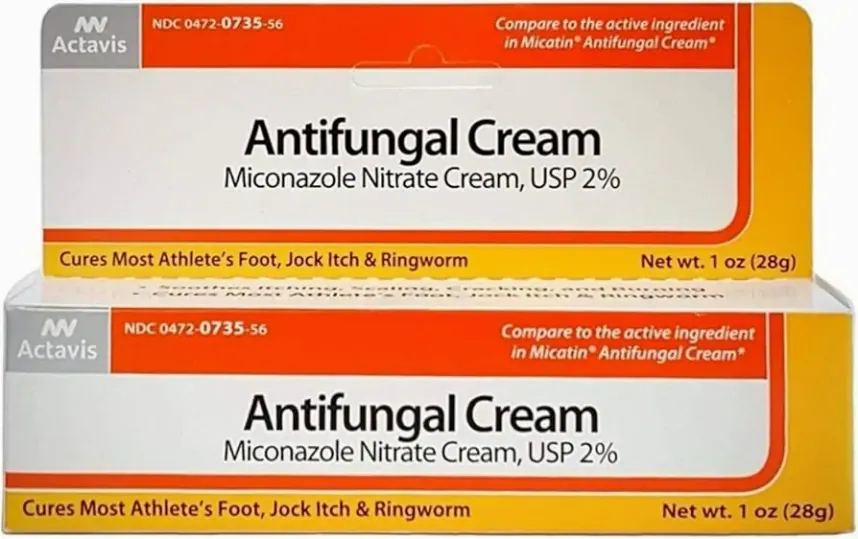
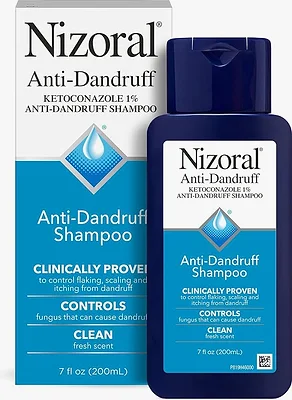
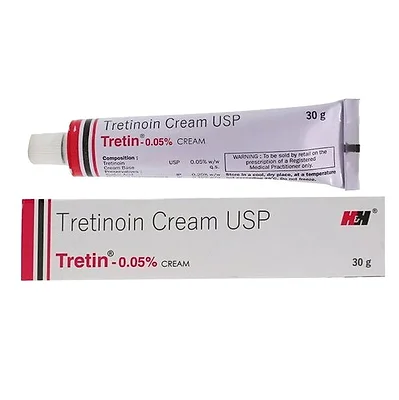
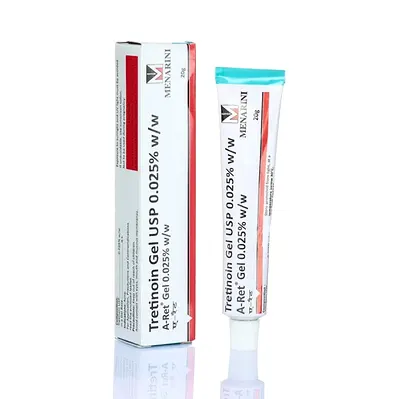
What is in this group?
- Retinoids for acne and disorders of keratinisation
- Antifungals for athlete's foot, jock itch, skin and nail infections
- Pigment treatments for dark patches and marks
- Medicated shampoos for dandruff and seborrhoeic dermatitis
What they share is that they act on a mechanism rather than on appearance. Which is why they take time and consistency, and why nothing much happens in the first week.
Acne: why are antibacterial creams not enough?
Because bacteria are third in the sequence, not first.
It begins with a blocked pore: the cells lining the opening stop shedding properly and clump into a plug. Only then does oil build up behind it, only then do bacteria multiply, only then does inflammation appear.
Fighting only the bacteria means fighting a consequence. Retinoids intervene at the start of the chain and change the keratinisation itself.
Which is why they work where other things stop — and why they need months rather than weeks.
Is getting worse first normal?
With retinoids it is the rule rather than the exception.
The first weeks usually look worse: more spots, redness, flaking, tight skin.
That is not damage. Lesions already forming deeper down are being brought to the surface earlier.
Anyone who does not know this stops exactly when the treatment is starting to work. Take a photograph at the start and judge after a couple of months.
Why does sun protection matter with most of these?
Because retinoids and pigment treatments both make skin markedly more reactive to sunlight.
That is a double problem. You burn faster, and sunlight triggers pigmentation — frequenly the exact thing being treated.
High factor protection every morning, all year, including dull days. Without it you undo a real portion of months of work.
With pigmentation specifically, this is not an addition to the treatment. It is half of it.
Why keep treating a fungal infection after it clears?
Because the itching and redness clear well before the fungus does, and this is behind almost every recurrence.
Stop there and you leave the spores that regrow.
Carry on for roughly two weeks after the skin looks normal.
And do not forget shoes, socks and towels — spores survive in them for months. Treating the skin without dealing with those is treating in circles.
Does adding more products help?
Usually the opposite, and the temptation is always there.
Combining retinoids with acids, scrubs and alcohol toners produces irritated skin that looks worse than at the start.
- Gentle cleansing, no scrubbing
- The medicated product in the evening, on completly dry skin
- Moisturiser
- Sunscreen in the morning
That is the whole routine. Everything else is worth setting aside for the duration.
When should it be looked at?
- No improvement after a few weeks — the diagnosis may be wrong
- Weeping, painful areas, or any fever
- Moles that are changing or growing
- Wounds that will not heal
- Extensive involvement in someone with diabetes
- Acne that is leaving scars
That last point matters: acne scars are permanent. With a severe case it is better to act early than late.
How to order without prescription
Skin treatment runs for months, so it is worth having enough in hand to see a course through.
You choose the product, the strength and the pack size, type in a delivery address and confirm. No appointment, no questionnaire, no standing at a counter explaining yourself.
Everything arrives in a plain parcel. Nothing on the outside names a pharmacy and nothing indicates the contents. How quickly it gets there depends on the destination.
What you pay tracks the strength and how much you buy at once. Larger quantities bring the per-unit figure down.
And if it turns up damaged? Send the order number and a photograph the same day. We replace it free of charge or refund in pounds. Do not use anything from a damaged blister.