
Pain Relief
Pain takes your attention and does not give it back until it stops. Nothing else matters much while it is happening.
This group covers anti-inflammatories, plain painkillers, topical gels and nerve pain treatments. Without prescription, in a plain parcel.
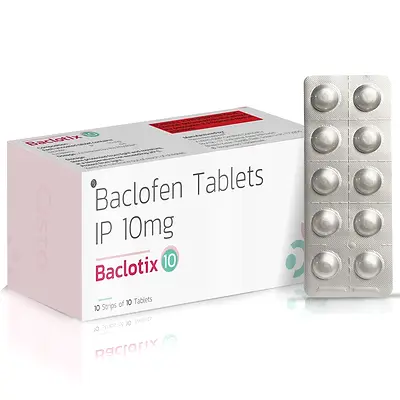
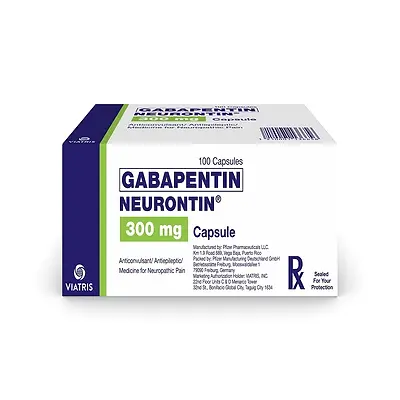
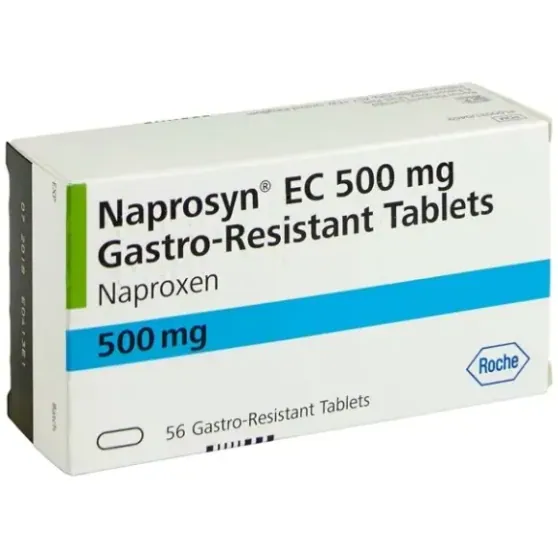
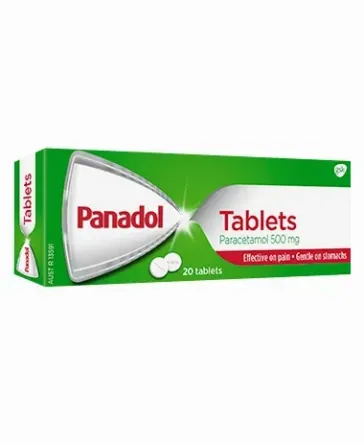
Do different kinds of pain want different medicines?
Yes, and getting this right decides whether anything works at all.
Inflammatory pain — a swollen joint, an injury, heat in the tissue. This needs something acting on inflammation.
Pain without inflammation — many headaches, pain with fever. A plain painkiller is enough.
Muscle pain with spasm — a seized back, a blockage. Here a painkiller alone barely helps, because the tension is the problem.
Nerve pain — burning, shooting, electric, often with numbness. No inflammation to reduce, which is exactly why anti-inflammatories do nothing. This needs something that calms nerve signalling.
People frequently spend months on the wrong category, concluding that nothing works for them.
How do anti-inflammatory painkillers work?
When tissue is damaged the body produces prostaglandins. They amplify inflammation and sensitise nerve endings, which is why an injury hurts more than the damage alone would suggest.
Anti-inflammatory painkillers block the enzyme producing them. Less pain, less swelling, less fever.
The catch: the same enzyme also produces the substances protecting the stomach lining and supporting blood flow through the kidneys. Hence the characteristic side effects, and hence the rule that these are taken for the shortest effective period.
Why does the stomach risk matter so much?
Because it does not have to hurt first.
With longer use the stomach lining loses its protection. Erosions form, and from those, ulcers.
A bleeding ulcer can be the first sign, with no preceding indigestion at all.
Urgent signs: black tarry stools, vomit resembling coffee grounds, sudden pallor and weakness.
For longer courses a protective medicine is often added. Risk rises with age, a previous ulcer, steroids and blood thinners.
Can painkillers cause headaches?
They can, and more people fall into this loop than would beleive it.
Taking painkillers too often causes headaches in itself. Those get treated with more painkillers, and the circle closes.
The pattern: a dull headache present most days, worst in the morning.
The safety rule is simple — painkillers a few days a month, not a few days a week. Breaking the cycle usually needs help, because the first days are worse before they are better.
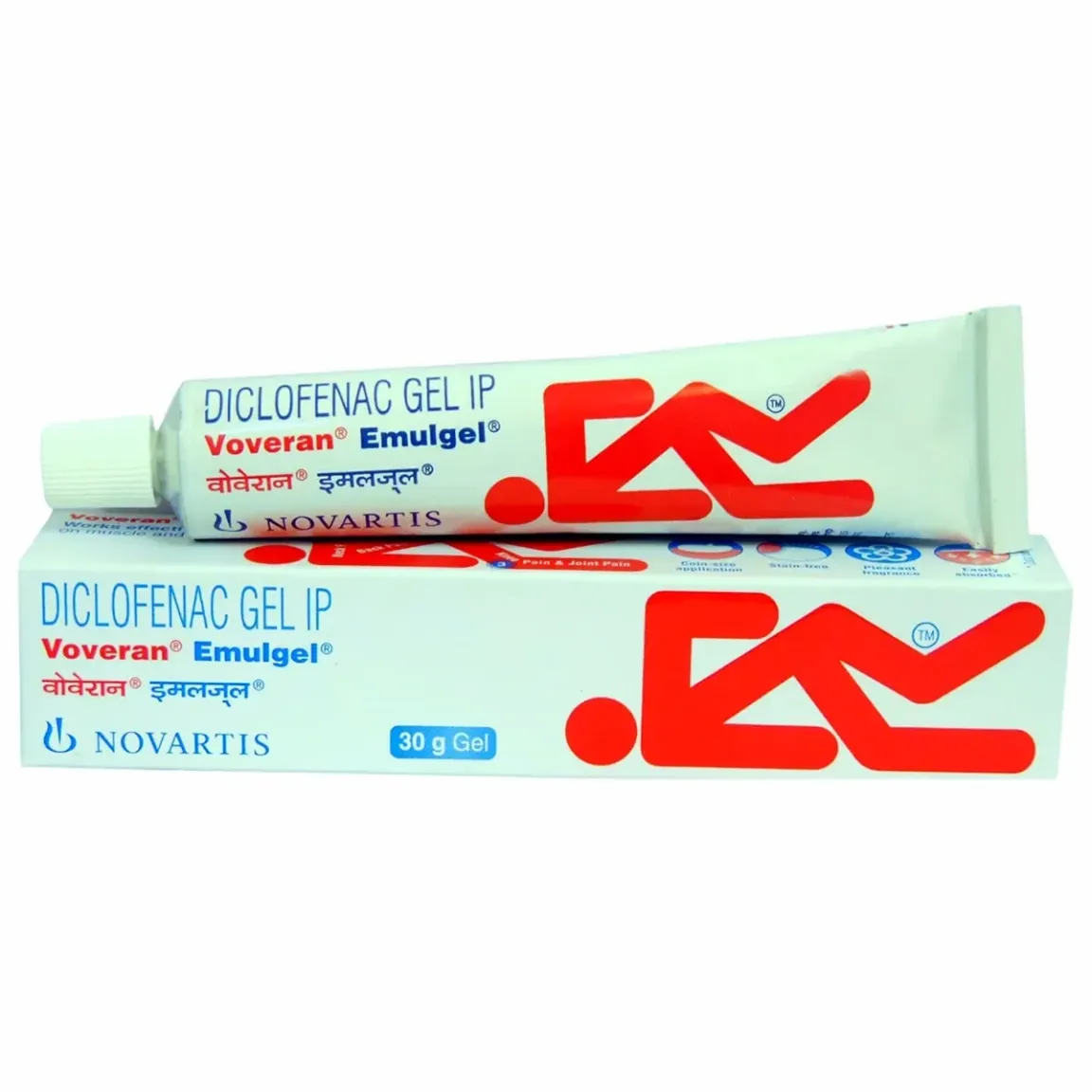
Why do gels have a real advantage?
Because for pain in one place, you can put the drug there instead of everywhere.
The drug works where it is applied and very little reaches the circulation. Stomach and kidneys are spared almost entirely.
Rub it in properly and let it absorb. Not on broken skin, and note that some of these make skin more sensitive to sunlight.
One common mistake: using a gel and taking tablets at the same time, because the gel seems harmless. The doses add up.
Does rest help back pain?
Less than movement does, which surprises people.
With acute back pain and muscle spasm, a painkiller alone often disappoints — the tension sustains the pain and the pain sustains the tension.
What breaks that: heat, movement within tolerance, and a short course of a muscle relaxant.
Bed rest for back pain does more harm than good. Movement, even cautious, speeds recovery.
When does pain need assessing?
- A sudden, severe headache unlike any before
- Headache with fever and a stiff neck
- Back pain with numbness, weakness or bladder problems
- Chest pain with breathlessness
- Pain after injury with swelling and inability to bear weight
- Pain persisting for weeks despite treatment
- Pain that wakes you at night
Pain is a signal. Switching the signal off permanently without finding out where it comes from is not a good plan.
How to order without prescription
A basic supply at home beats hunting for an open pharmacy on the first bad day.
You choose the product, the strength and the pack size, type in a delivery address and confirm. No appointment, no questionnaire, no standing at a counter explaining yourself.
Everything arrives in a plain parcel. Nothing on the outside names a pharmacy and nothing indicates the contents. How quickly it gets there depends on the destination.
What you pay tracks the strength and how much you buy at once. Larger quantities bring the per-unit figure down.
When does it leave? On working days, which means UK bank holidays and weekends shift the whole sequence along. Order with a few days of margin if it matters to a date.