Allergy
Itching eyes, a nose that will not stop, weeks of sneezing — all set off by pollen that is completely harmless to most people.
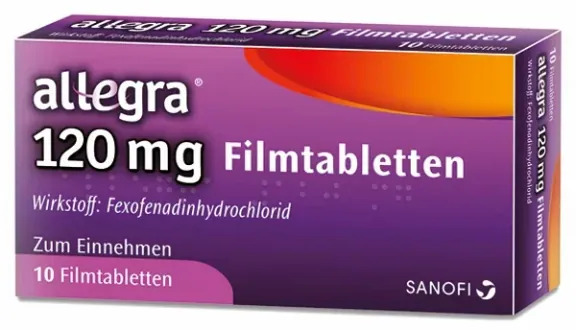
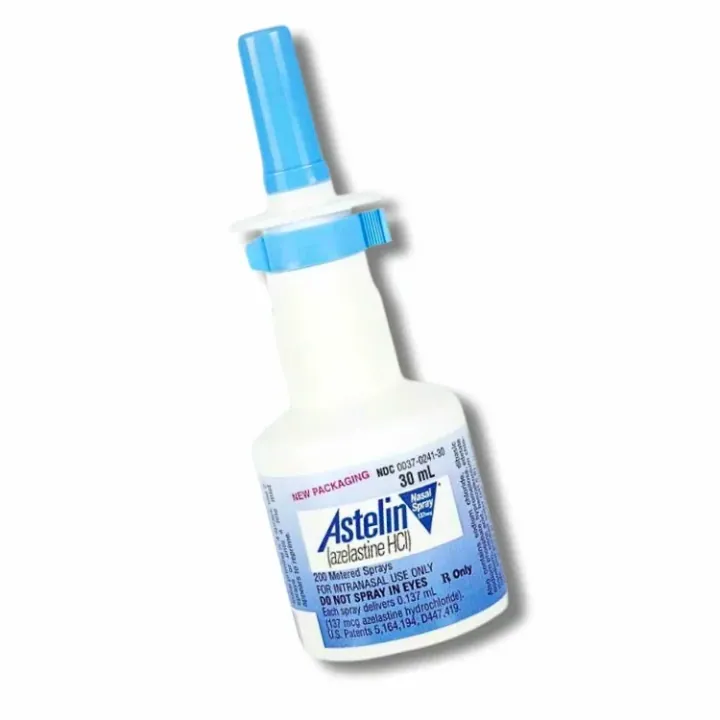
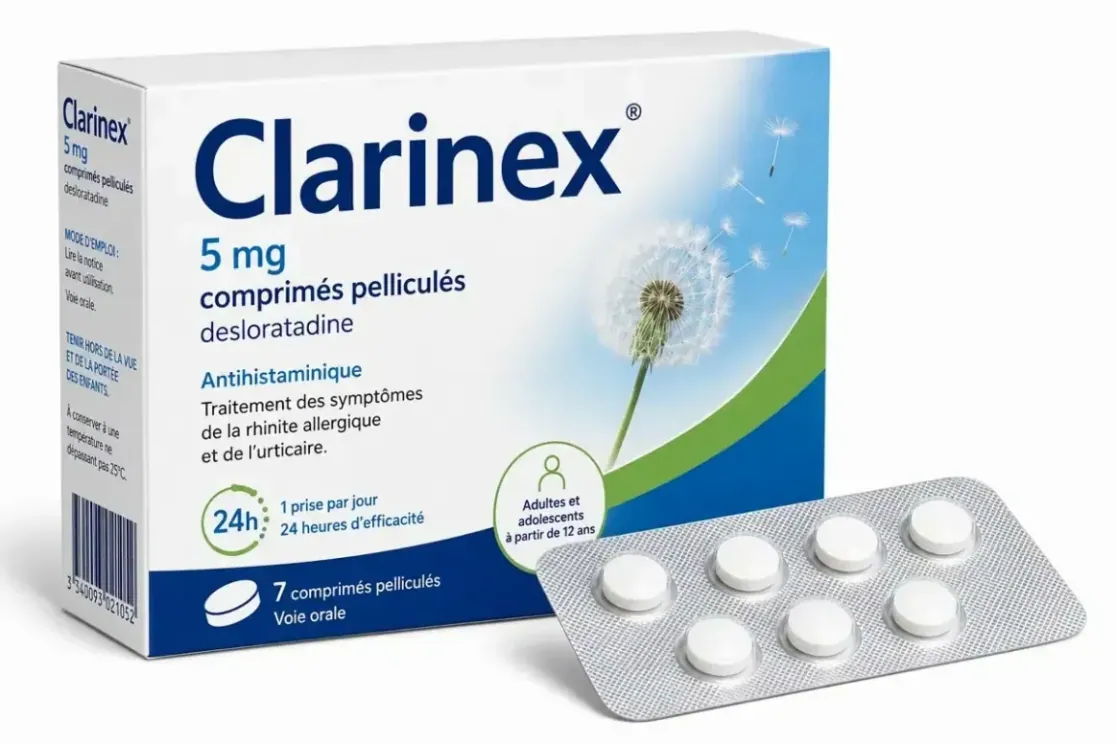
Antihistamines block the receptor histamine uses to start the whole thing. Tablets, sprays and drops, all without prescription.
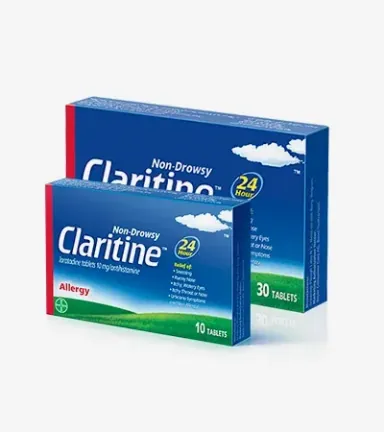
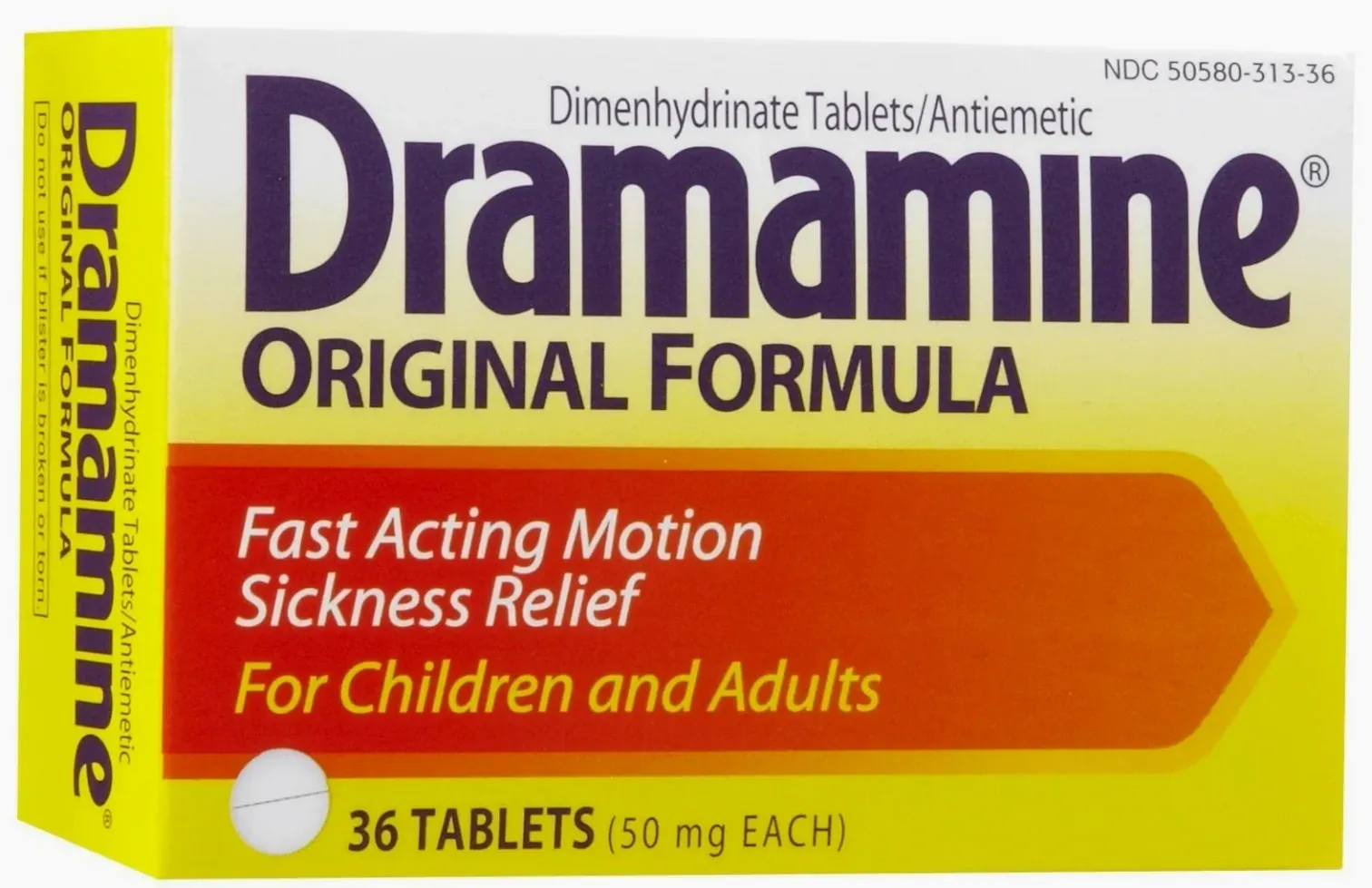
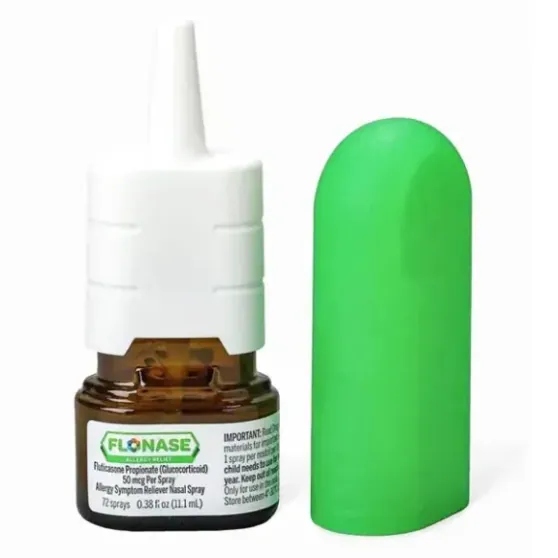
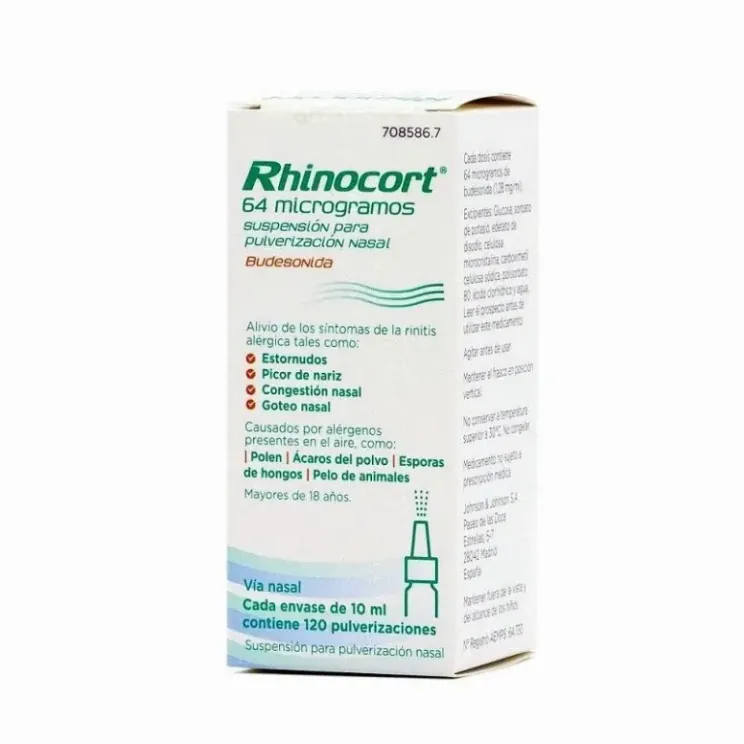
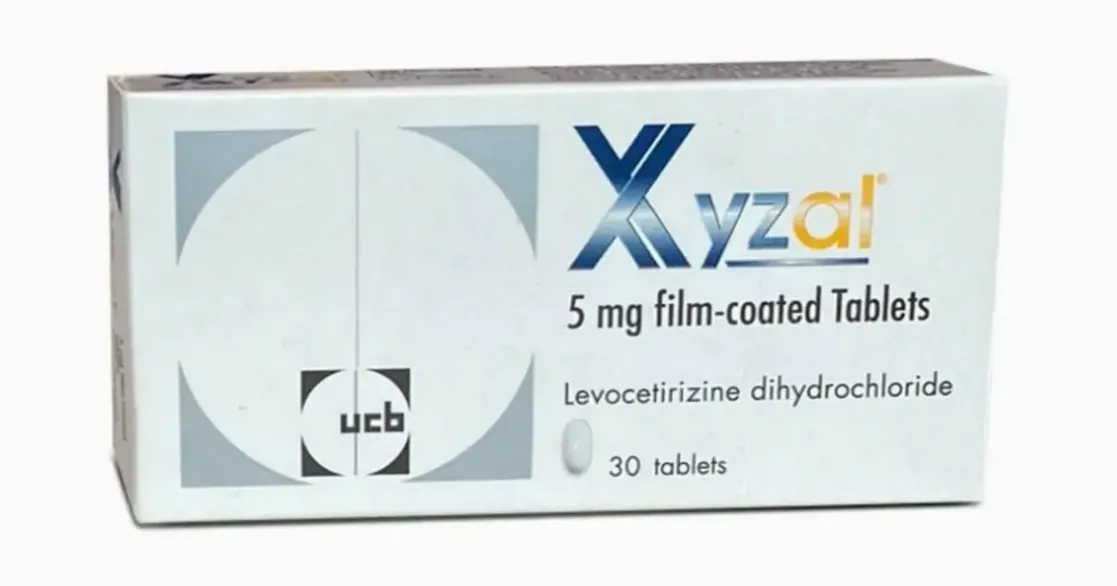
What is actually going on in an allergy?
Your immune system has decided something harmless is a threat. Pollen, dust mites, cat hair.
On contact, mast cells release histamine. It docks onto receptors in the mucous membranes, skin and blood vessels — and that produces the entire set of symptoms.
Vessels widen, tissue swells, nerve endings fire off itch signals, glands start producing fluid. Blocked nose, red eyes, irritated skin.
These medicines occupy the receptor before histamine can. The histamine is still there; it just has nowhere to act.
Which generation should you choose?
The newer one, in almost every case, and the reason is practical.
Older compounds cross into the brain and block receptors there too. The result is drowsiness, slowed thinking, trouble concentrating. Sometimes that is used deliberately, when itching prevents sleep.
Newer compounds barely enter the central nervous system. Equally effective on the allergy, but they leave your head alone.
Not entirely without effect, though. Some people still feel tired. Worth finding out before driving anywhere.
What is in this group?
- Tablets for general symptoms: sneezing, runny nose, itching, hives
- Antihistamine nasal sprays acting directly on the lining, within minutes
- Steroid nasal sprays for congestion, which tablets handle badly
- Treatments for red, burning, watering eyes
Local forms have an advantage: they work where the problem is and largely bypass the rest of the body. Where symptoms come from several places at once, a tablet is more practical.
Combining often makes sense — a tablet for the overall picture and something local for whichever part is worst.
When should you start?
Earlier than most people do, and this is the most common mistake with hay fever.
Most people reach for something once symptoms are in full flow. By then histamine has done its work and the tissue is swollen. You are playing catch-up.
Starting a few days before your usual season, and taking it steadily rather than on bad days only, works considerably better. The reaction never gathers the same momentum.
With steroid nasal sprays this matters even more, since they need several days of regular use before reaching full effect.
What can a tablet not do?
Remove the allergy. It manages the reaction.
- Air the house in the evening or after rain, not first thing
- Wash your hair before bed in pollen season — otherwise you sleep in it
- Keep outdoor clothes out of the bedroom
- Mite-proof bedding and a cooler bedroom for dust allergy
- Change the pollen filter in the car
- Sunglasses outdoors, which keeps a surprising amount out of your eyes
Fussy, but each one lowers the dose of allergen — and a lower dose means less for the medicine to suppress.
When is it more than hay fever?
Airway allergy can work its way down into the chest over time. Cough, wheeze or breathlessness alongside nasal symptoms deserves checking rather than tolerating.
And get help immediately for swelling of the lips, tongue or throat, difficulty breathing, dizziness with a drop in blood pressure, or widespread hives with feeling unwell.
Rare, but worth recognising — particulary with insect stings, nuts and certain medicines.
How to order without prescription
Anyone who knows their season tends to order before the first trees start rather than after.
You choose the product, the strength and the pack size, type in a delivery address and confirm. No appointment, no questionnaire, no standing at a counter explaining yourself to someone.
Everything arrives in a plain parcel. Nothing on the outside names a pharmacy and nothing indicates the contents. How quickly it gets there depends on the destination.
What you pay tracks the strength and how much you buy at once. Larger quantities bring the per-unit figure down, which matters most for anything taken long term.
So what actually arrives at a UK address? A plain parcel with no logo, no product name and nothing on the outside that hints at the contents. Transit time follows the destination and the service chosen.