Men's Wellness
Flagging energy, low mood, muscle shrinking despite training, no interest in sex. Men put all of it down to age or to work.
Sometimes the hormonal axis is behind it. These treatments without prescription, in a plain parcel.
What does testosterone actually govern?
Far more than libido, though that is the only association most people have.
It affects muscle mass, bone density, fat distribution, red blood cell production, mood, drive and sleep quality.
Which is why a deficiency presents so vaguely that it is rarely attributed to hormones. Fatigue, low mood, no energy, fat accumulating around the middle while muscle drops away, poorer concentration.
Levels decline with age naturally and slowly. A sharp drop in a younger man is a different matter and worth finding a cause for.
How is the system regulated?
As a feedback loop, not a simple tap.
The brain sends signalling hormones to the testes, which produce testosterone. When levels rise, the brain senses it and dials the signal down. When they fall, it increases.
Part of the testosterone is converted into oestrogen, and the brain monitors that too — oestrogen is actually a strong part of the signal telling the brain to ease off.
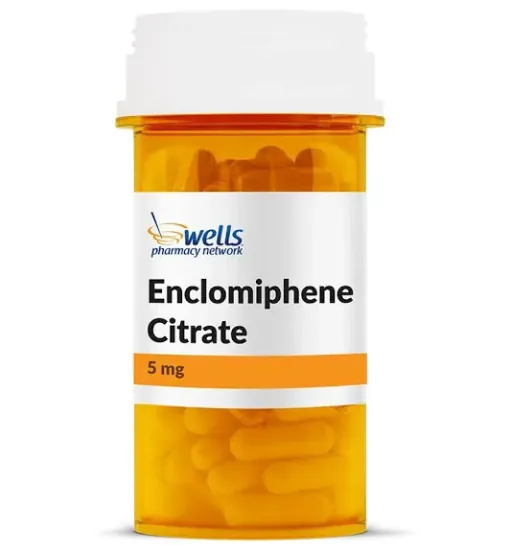
Some treatments act precisely on that loop: rather than supplying hormone from outside, they prompt the body to make more itself. The advantage is significant — your own production does not get switched off.
Why does supplying it from outside have a cost?
A lot of men learn this too late.
When hormone arrives from outside, the brain senses plenty and stops signalling. The testes receive no instruction and gradually reduce output — including sperm production, which depends on the same signals.
With prolonged use fertility can decline substantialy, sometimes persisting well after stopping.
Which is a decisive argument for the treatments that stimulate the body's own axis instead, for anyone who might want children.
What should be tested before treating?
More than you might expect, because the symptoms overlap with a great many other conditions.
- Blood test, preferably in the morning when levels peak
- Thyroid function, which produces very similar symptoms
- Iron and vitamin D
- Sleep apnoea, badly underdiagnosed
- Depression
- Chronic stress and insufficient sleep
Sleep apnoea deserves singling out. It lowers testosterone and causes exactly the same fatigue and low mood. Treating the apnoea sometimes achieves more than any hormonal intervention.
What raises levels without a tablet?
- Resistance training, more effective here than endurance work
- Sleep, which is the single biggest modifiable factor
- Losing abdominal fat, which converts testosterone into oestrogen
- Less alcohol
- Adequate dietary fat — hormones are built from cholesterol
- Reducing chronic stress
The first two do most of the work. A few weeks of short nights lowers testosterone measurably, which surprises people.
What needs monitoring?
Interfering with hormonal balance is not neutral. Possible effects include acne, fluid retention, mood swings, thicker blood and effects on the prostate.
With longer use it is worth checking blood count, liver values, lipids and prostate markers.
These treatments are not intended for women or for anyone under eighteen.
How to order without prescription
Hormonal treatment runs over months with periodic blood tests, so a continuous supply is the requirement.
You choose the product, the strength and the pack size, type in a delivery address and confirm. No appointment, no questionnaire, no standing at a counter explaining yourself.
Everything arrives in a plain parcel. Nothing on the outside names a pharmacy and nothing indicates the contents. How quickly it gets there depends on the destination.
What you pay tracks the strength and how much you buy at once. Larger quantities bring the per-unit figure down.
So what actually arrives at a UK address? A plain parcel with no logo, no product name and nothing on the outside that hints at the contents. Transit time follows the destination and the service chosen.