Cardiovascular
High blood pressure does not hurt. That is exactly what makes it dangerous — nothing prompts you to act while the arteries quietly deteriorate.
This group covers blood pressure, cholesterol, rhythm and clot prevention. Without prescription, in a plain parcel.
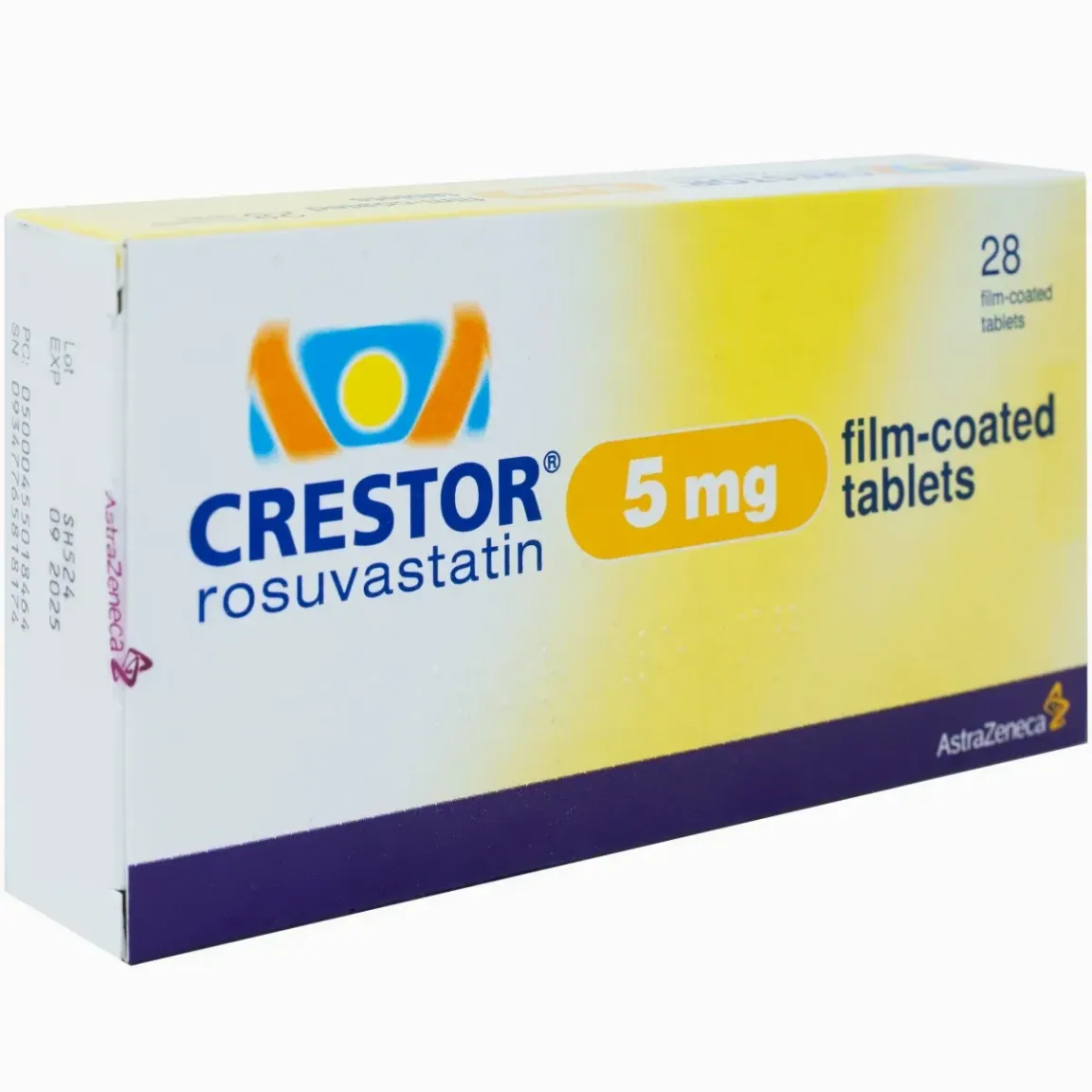
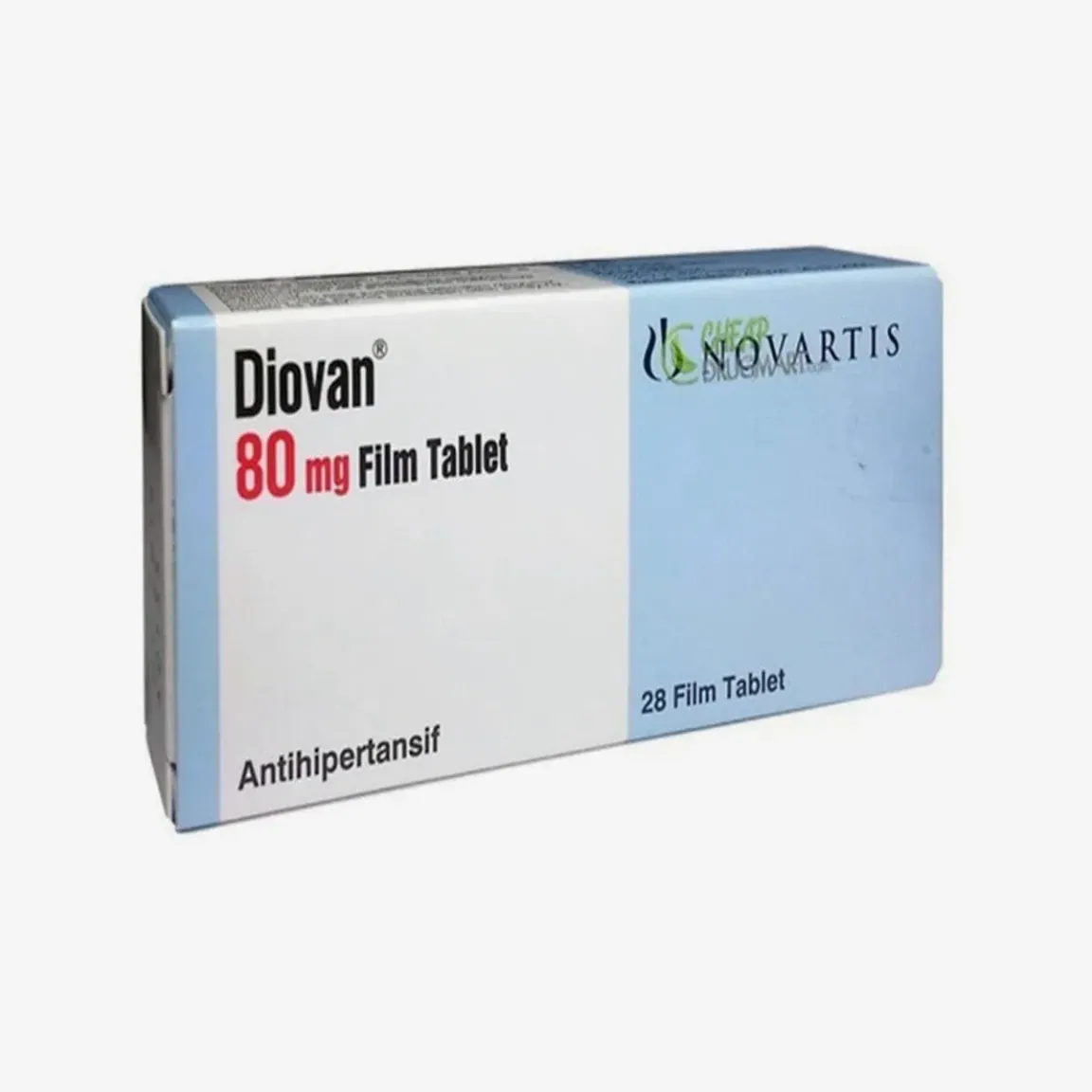
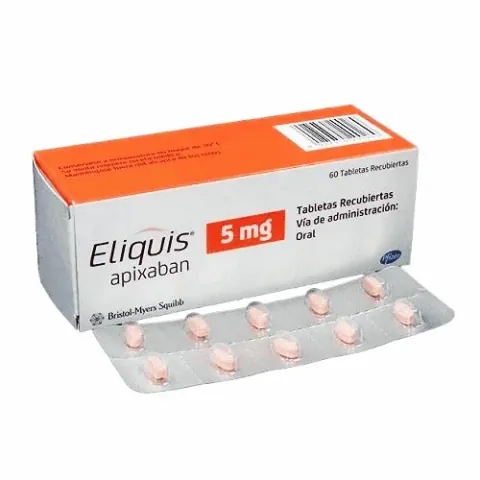
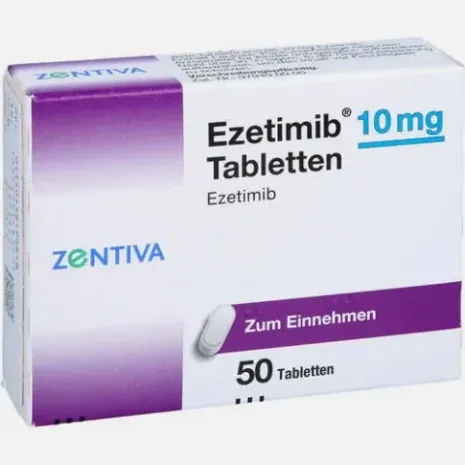
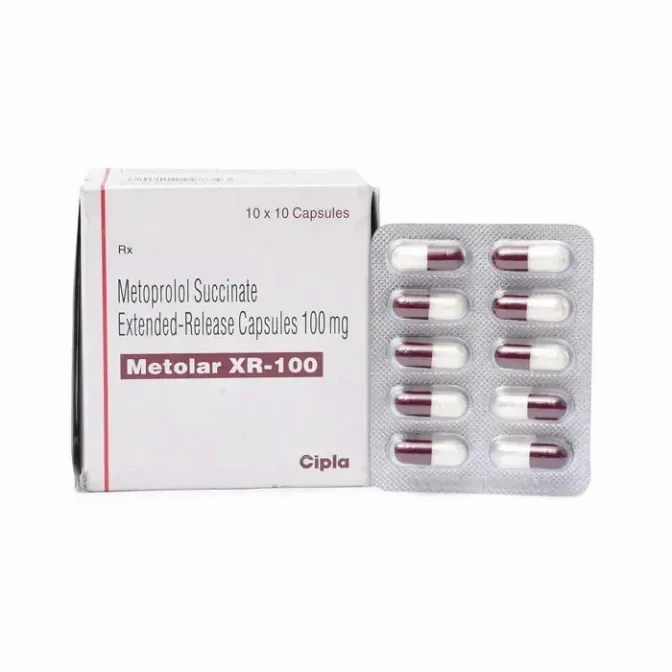
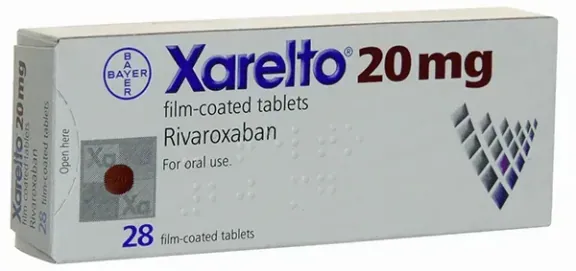
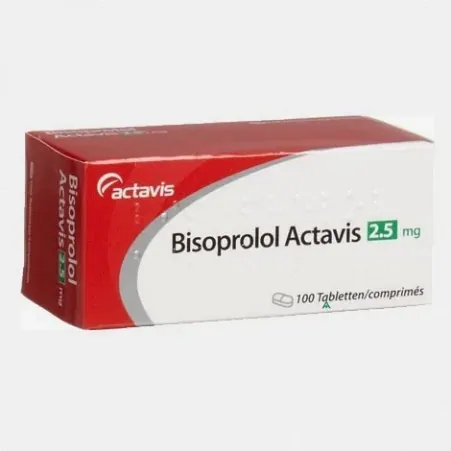
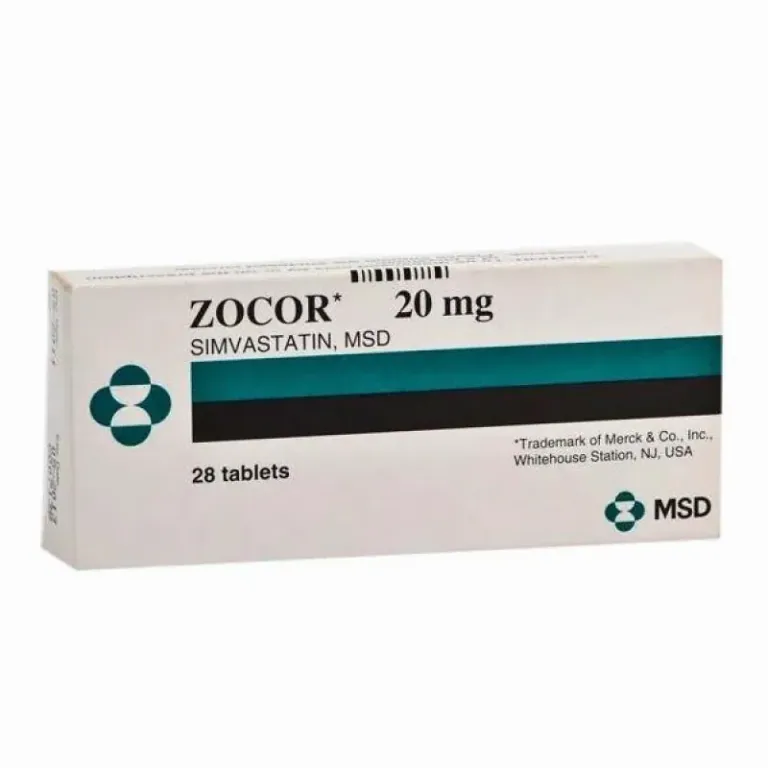
Why is the silence the problem?
Because you can have raised blood pressure for years and feel nothing at all.
Meanwhile every heartbeat pushes too hard against the artery walls. They thicken and stiffen, and plaque builds at the points where the lining is damaged.
The heart works constantly against that resistance and thickens in response. A thickened muscle has a poorer blood supply of its own — and that is where heart failure starts.
Kidneys, eyes and brain take damage too. All without a single symptom, right up to the day something happens.
Which is why treatment has to be taken seriously precisely when you feel well.
Why are there so many different classes?
Because blood pressure depends on several factors, and each class addresses a different one.
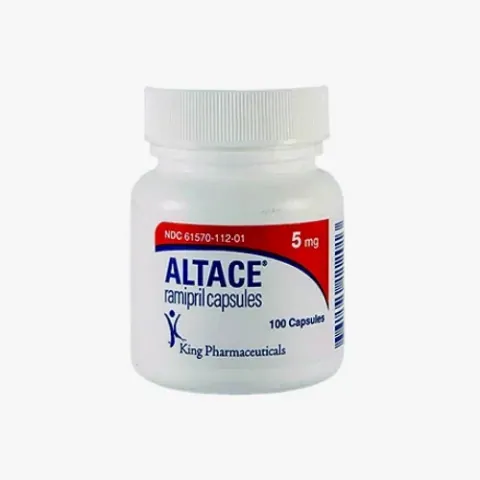
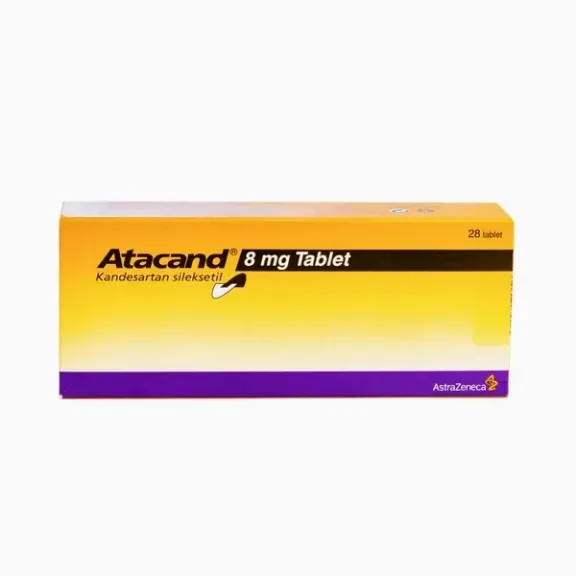
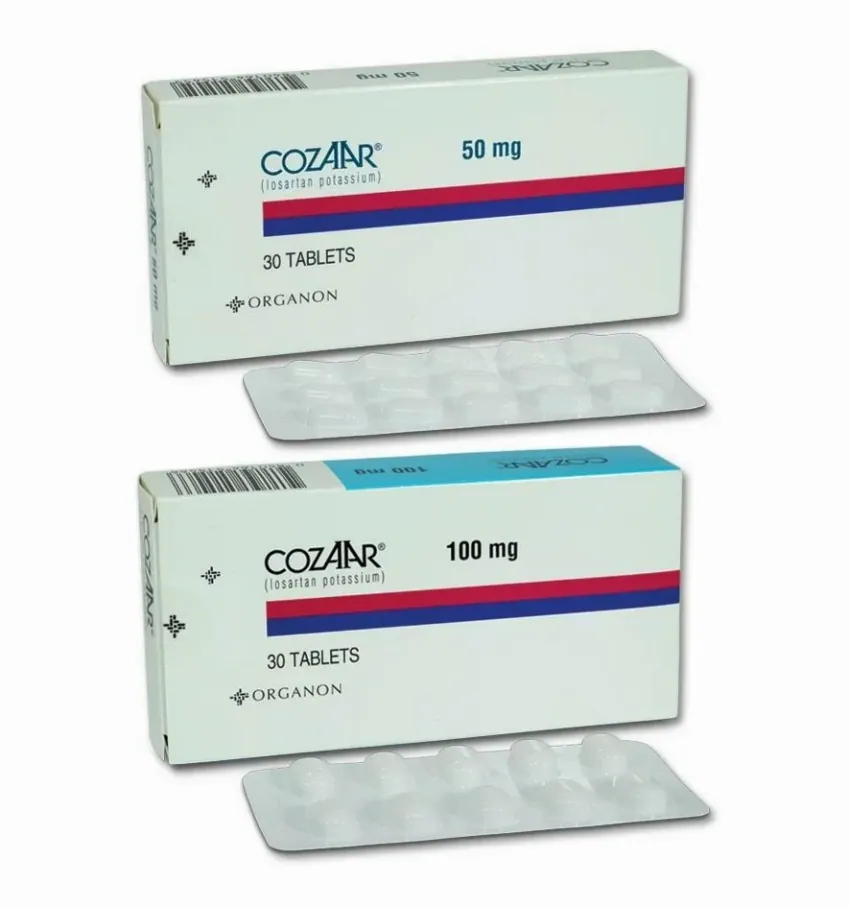
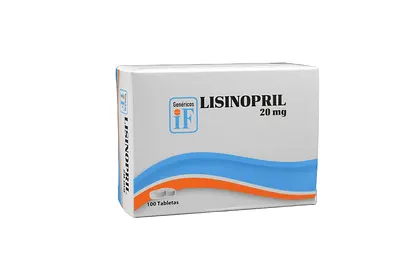
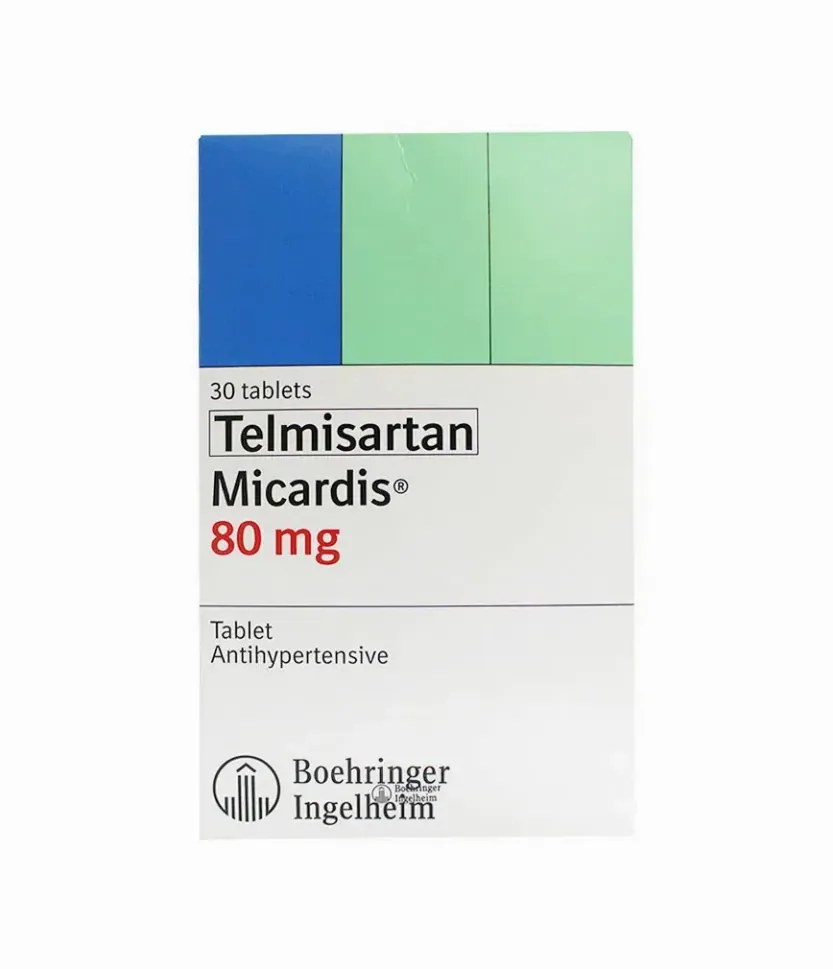
- ACE inhibitors and sartans block the hormone system that tightens vessels and retains fluid
- Beta blockers slow the heart and reduce its oxygen demand
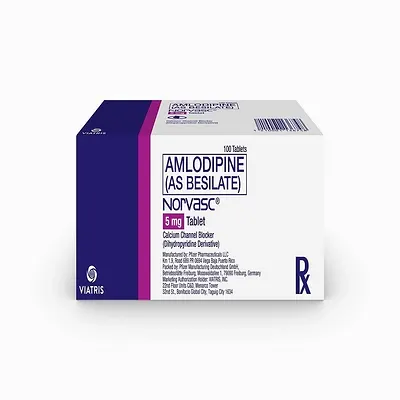
- Calcium channel blockers relax the muscle in the vessel wall directly
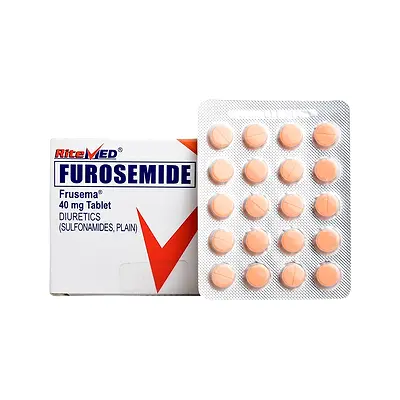
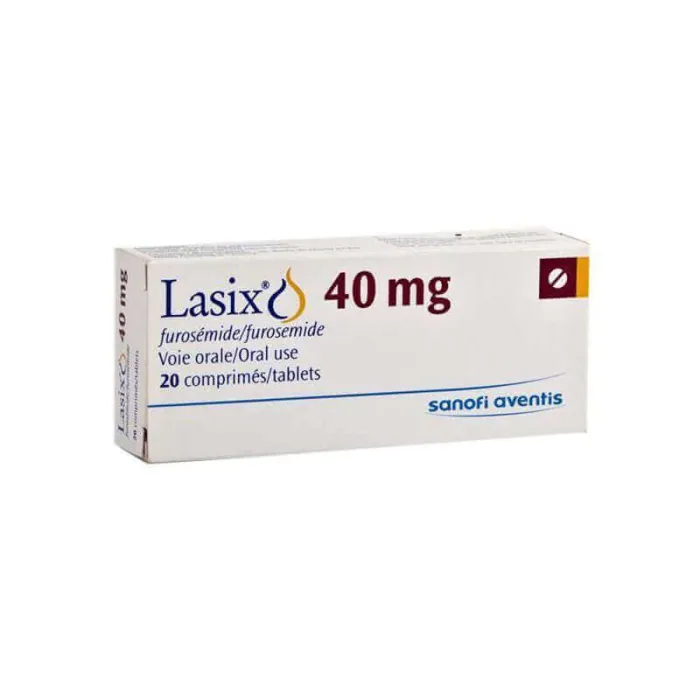
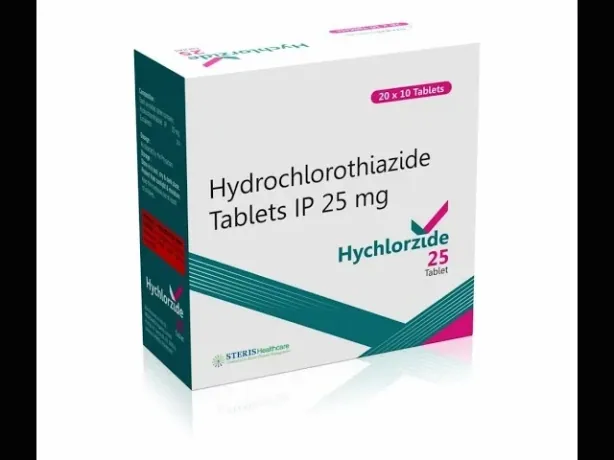
- Diuretics reduce circulating volume
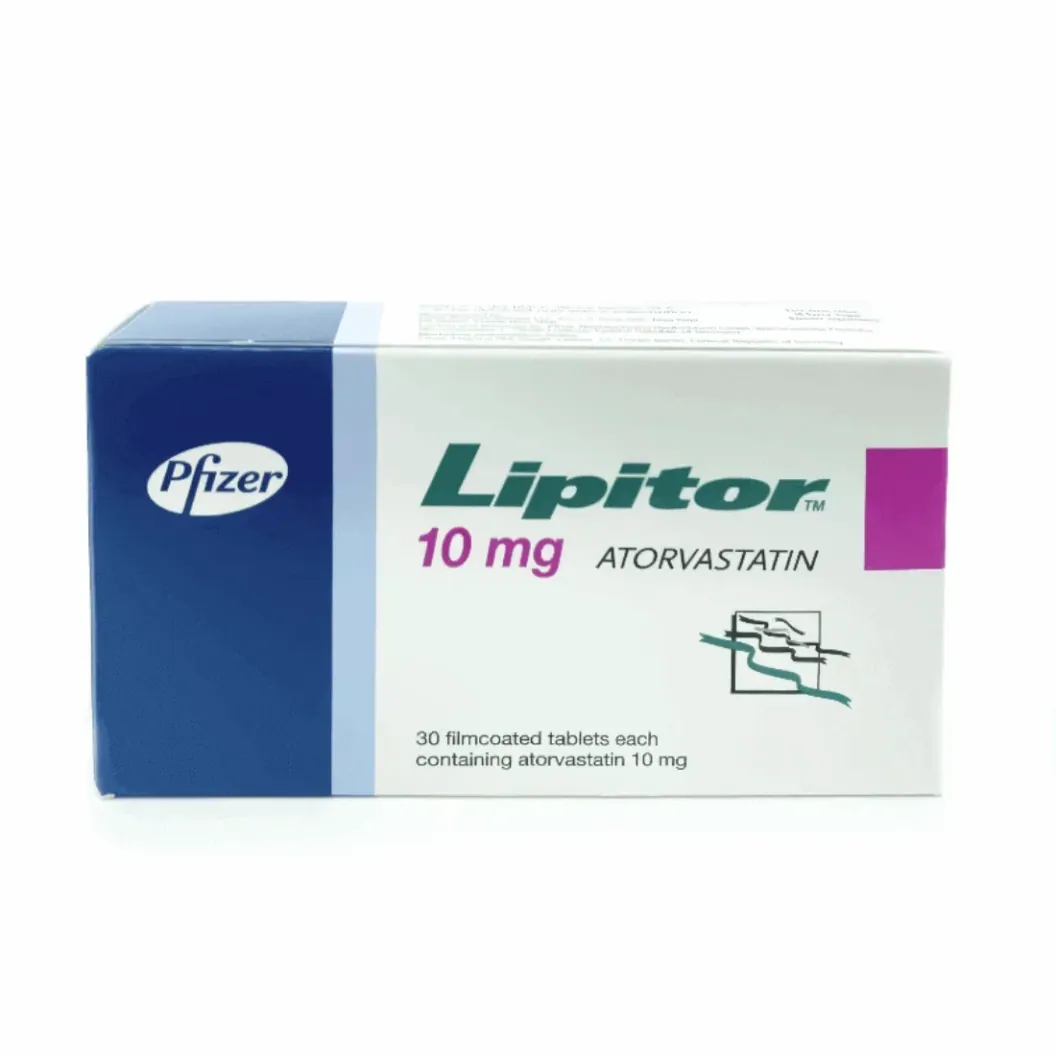
- Statins reduce cholesterol production in the liver
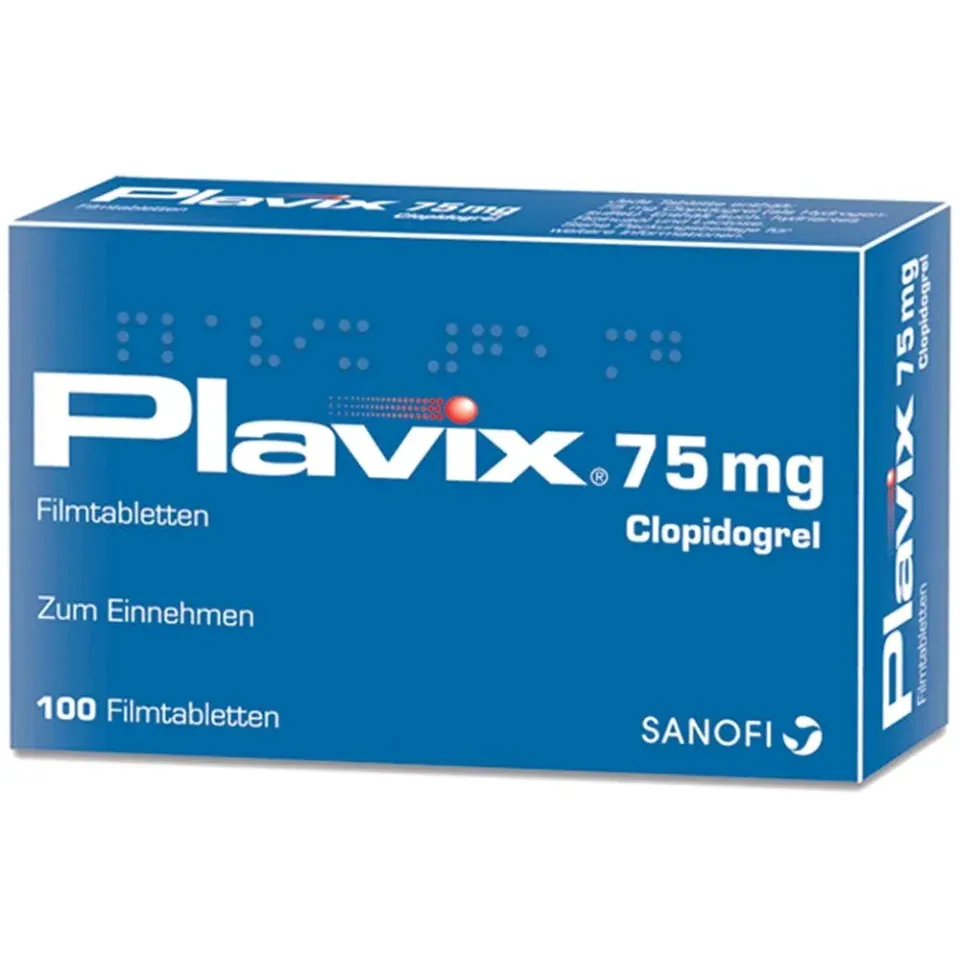
- Antiplatelets and anticoagulants reduce clot formation
Two medicines at lower doses are often used rather than one at a high dose. The effects add up while the side effects do not rise as steeply.
How should you measure at home?
Properly, because a single clinic reading tells you very little.
- Sit quietly for a few minutes first
- Back supported, feet flat, legs uncrossed
- Cuff level with the heart
- No talking during the measurement
- Same time of day
- Write the numbers down
A week of home readings is worth more than one appointment for working out whether treatment is doing its job.
Which three mistakes cause the most trouble?
Stopping because the numbers look good. The numbers look good because of the tablet. Stop and they return within weeks.
Stopping a beta blocker abruptly. The body compensates for blocked receptors by making more of them. Remove the block suddenly and all of them meet full adrenaline — racing heart, pressure surge, and in heart disease a real risk of a heart attack. These are tapered, not stopped.
Quietly abandoning a statin because of muscle aches. Report it instead. Switching statin or adjusting the dose resolves it for most people, and stopping in silence means losing the benefit for nothing.
Do regular painkillers work against all this?
Anti-inflammatory ones do, and it is common enough to deserve its own section.
They raise blood pressure slighly, blunt the effect of blood pressure medicines, and put additional strain on the kidneys.
The combination that causes real harm is an anti-inflammatory plus an ACE inhibitor or sartan plus a diuretic. All three together is a well-recognised cause of kidney injury.
Occasional use is one thing. Daily use alongside heart medication is another, and paracetamol is usually the better everyday option.
What works alongside the tablets?
- Less salt — the effect genuinely surprises people
- Regular aerobic exercise
- Losing excess weight
- Stopping smoking
- Less alcohol
- Decent sleep, including getting apnoea investigated
Sleep apnoea deserves singling out: it is a major cause of blood pressure that resists treatment, and a great many people have it without knowing.
For some people these changes reduce the number of tablets needed. They are not filler advice.
How to order without prescription
Long-term treatment only works unbroken, which is why most people order before the pack runs out.
You choose the product, the strength and the pack size, type in a delivery address and confirm. No appointment, no questionnaire, no standing at a counter explaining yourself to someone.
Everything arrives in a plain parcel. Nothing on the outside names a pharmacy and nothing indicates the contents. How quickly it gets there depends on the destination.
What you pay tracks the strength and how much you buy at once. Larger quantities bring the per-unit figure down, which matters most for anything taken long term.
How much does the pack size matter? Quite a lot. Larger packs work out lower per unit, and a generic stays under the branded one with the same active ingredient in it.