Mental Health
Depression is not a bad week and it is not a character flaw. It is a state in which the capacity to feel anything — including hope that it will improve — shuts down.
These medicines work gradually and need patience. Without prescription, in a plain parcel.
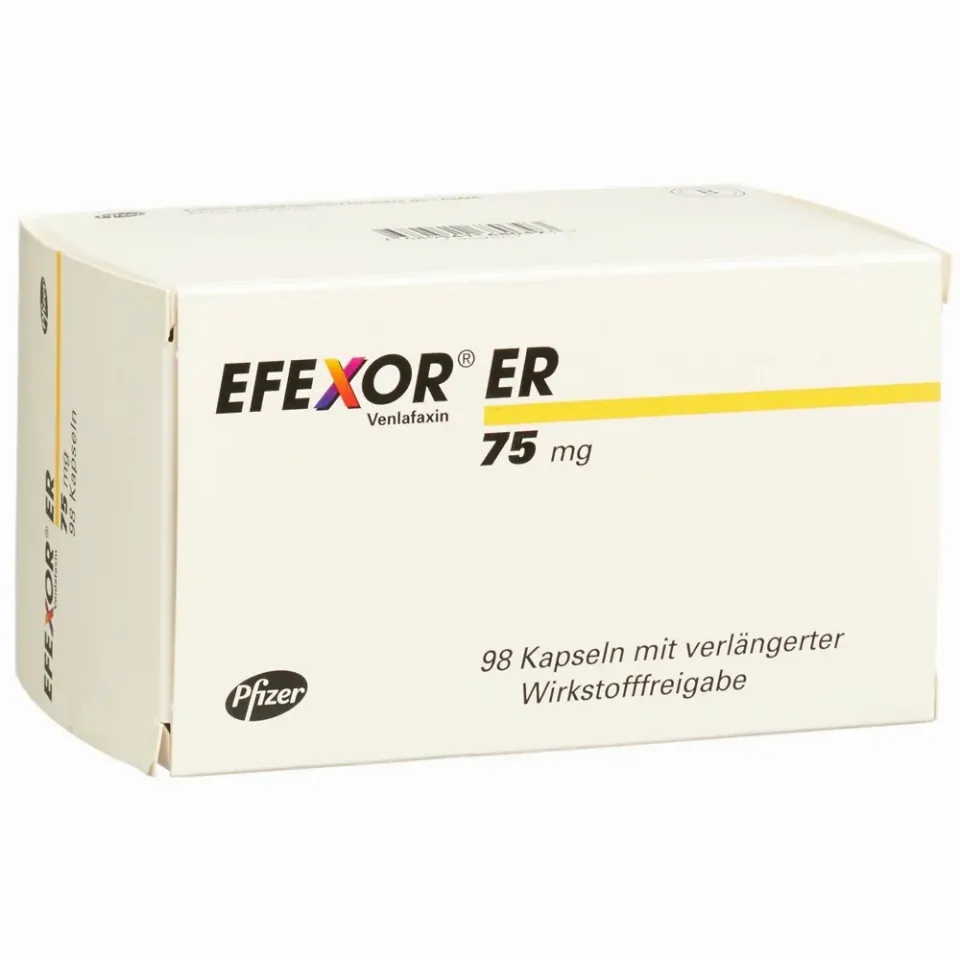
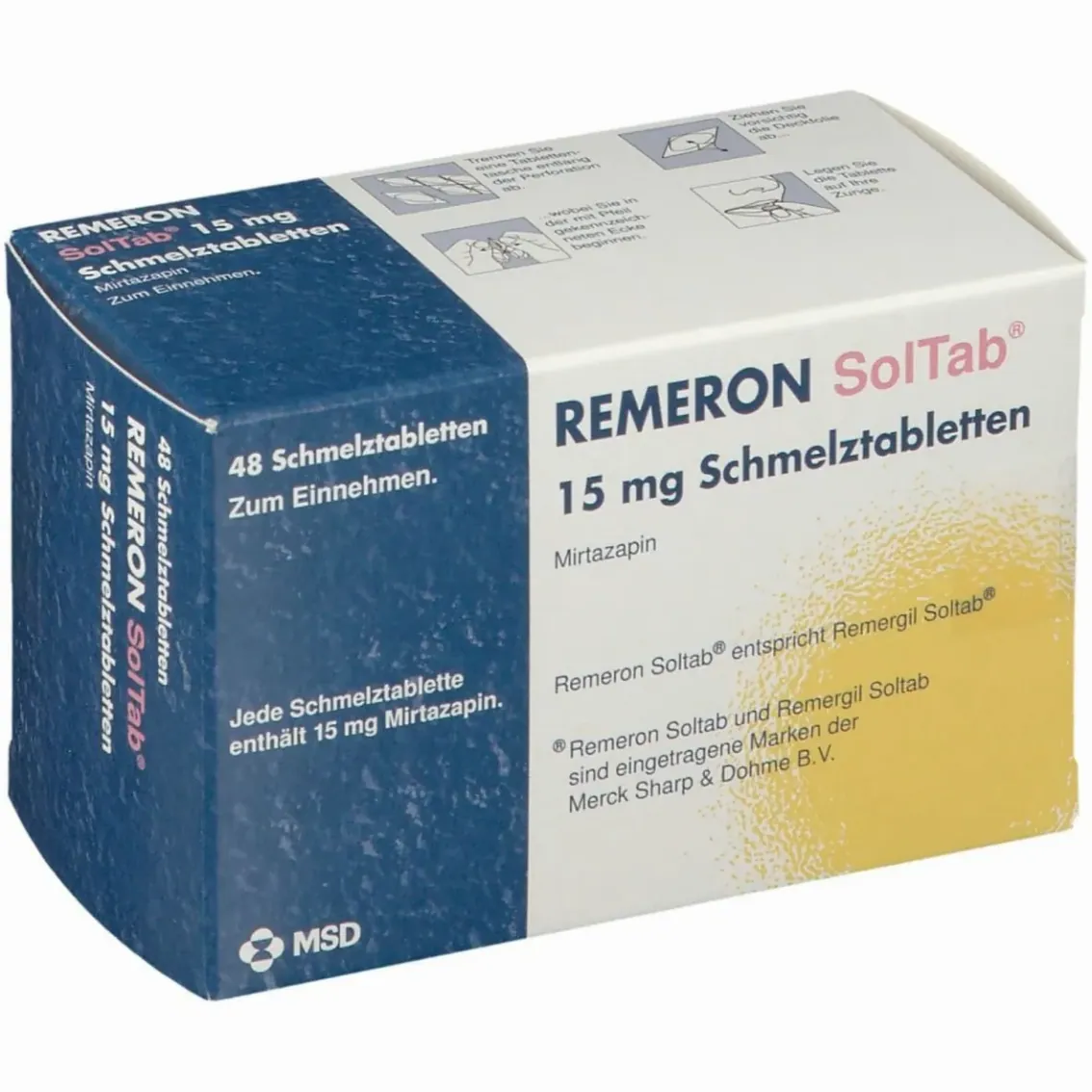
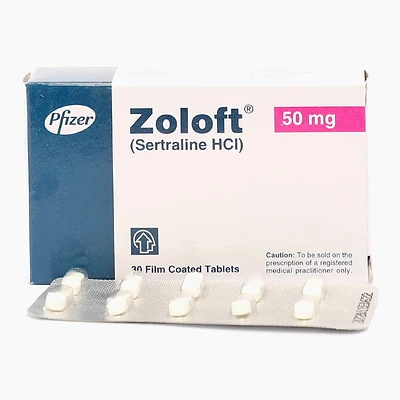
What is going on in the brain?
Disturbed communication between nerve cells, though the picture is more complicated than any single explanation.
Nerve cells communicate using chemical messengers. Serotonin, noradrenaline and dopamine all influence mood, drive, sleep and the capacity to experience pleasure.
In depression that communication is disturbed. Receptor sensitivity, inflammation and the brain's capacity to form new connections all play a part — it is not simply "not enough serotonin".
Most of these medicines increase the availability of messengers in the gap between cells. That concentration changes within hours. The effect takes weeks.
That gap between immediate chemistry and delayed benefit explains almost everything important about this treatment.
Why does it take several weeks?
Because what actually helps is a slow rebalancing of the networks involved, not the concentration itself.
The first days often bring only side effects — nausea, restlessness, worse sleep — and no benefit whatsoever. A bad trade on day three and a reasonable one by week six.
Drive usually returns before mood does. That is a period needing particular attention, because the capacity to act arrives while the thinking is still dark.
Judge it after several weeks, not several days. And when it works, treatment continues well past the point symptoms lift — stopping as soon as you feel better is the commonest cause of relapse.
Why can you not stop abruptly?
Because the body adapts to them, even though they are not addictive in the ordinary sense.
Stopping suddenly produces dizziness, a sensation like electrical pulses, nausea, irritability, disturbed sleep, flu-like aching and vivid dreams.
It gets mistaken for the illness returning. It is a different thing, and it generaly settles within a few weeks.
So it comes down gradually, over weeks or months — never over a weekend or on your own initiative.
Is anxiety just depression with nerves?
No. They overlap and often travel together, but they are not the same.
In an anxiety disorder the body's threat-detection system fires without a corresponding threat. Racing heart, tight chest, breathlessness, sweating, a conviction something terrible is imminent.
With panic attacks a second layer forms: fear of the next attack. That fear shapes behaviour, and avoidance spreads until it governs ordinary life.
One practical point: anxiety can get worse for the first week or two of treatment. Which is why the starting dose is usually lower for anxiety than for depression. Knowing that in advance is the difference between pushing through and concluding the medicine is making you ill.
Which interactions matter?
- Several serotonin-acting medicines together, which risks a dangerous excess
- Tramadol and certain other painkillers
- Triptans for migraine
- St John's wort, including as a supplement
- Anti-inflammatory painkillers and blood thinners — bleeding risk rises
- Alcohol
Signs of serotonin excess: agitation, confusion, muscle twitching, fever, racing heart, diarrhoea. That is urgent.
St John's wort is missed constantly because it is sold as a supplement. It interacts seriously, including with contraception.
What does the tablet not do on its own?
- Therapy — in combination it outperforms either alone
- A consistent routine, sleep timing especially
- Movement, in whatever amount is achievable
- Daylight in the morning
- Contact with people, however minimal
- Less alcohol, which makes everything worse and disrupts sleep badly
In a severe episode that list reads like mockery, because there is no capacity for any of it. Then you start with the smallest possible thing rather than with a plan.
When should you get help immediately?
Thoughts of ending your life are an emergency. Not a sign of weakness, and not something to sit with alone.
Contact someone who can help without delay — a crisis line, an emergency service, someone you trust. That applies especially in the early weeks of treatment or after a dose change.
How to order without prescription
Continuity matters more here than with most medicines, since an interruption costs weeks of progress.
You choose the product, the strength and the pack size, type in a delivery address and confirm. No appointment, no questionnaire, no standing at a counter explaining yourself.
Everything arrives in a plain parcel. Nothing on the outside names a pharmacy and nothing indicates the contents. How quickly it gets there depends on the destination.
What you pay tracks the strength and how much you buy at once. Larger quantities bring the per-unit figure down.
Why are the figures lower than a UK high street? No shop rent, no counter staff, no window display — and most of the range is generic to begin with. Prices are quoted in pounds.